Learning Arabic
Growing Up with Lebanese Arabic: More Than Just a Language
10 November 2026 · 2 min read · Yara Hausdörfer
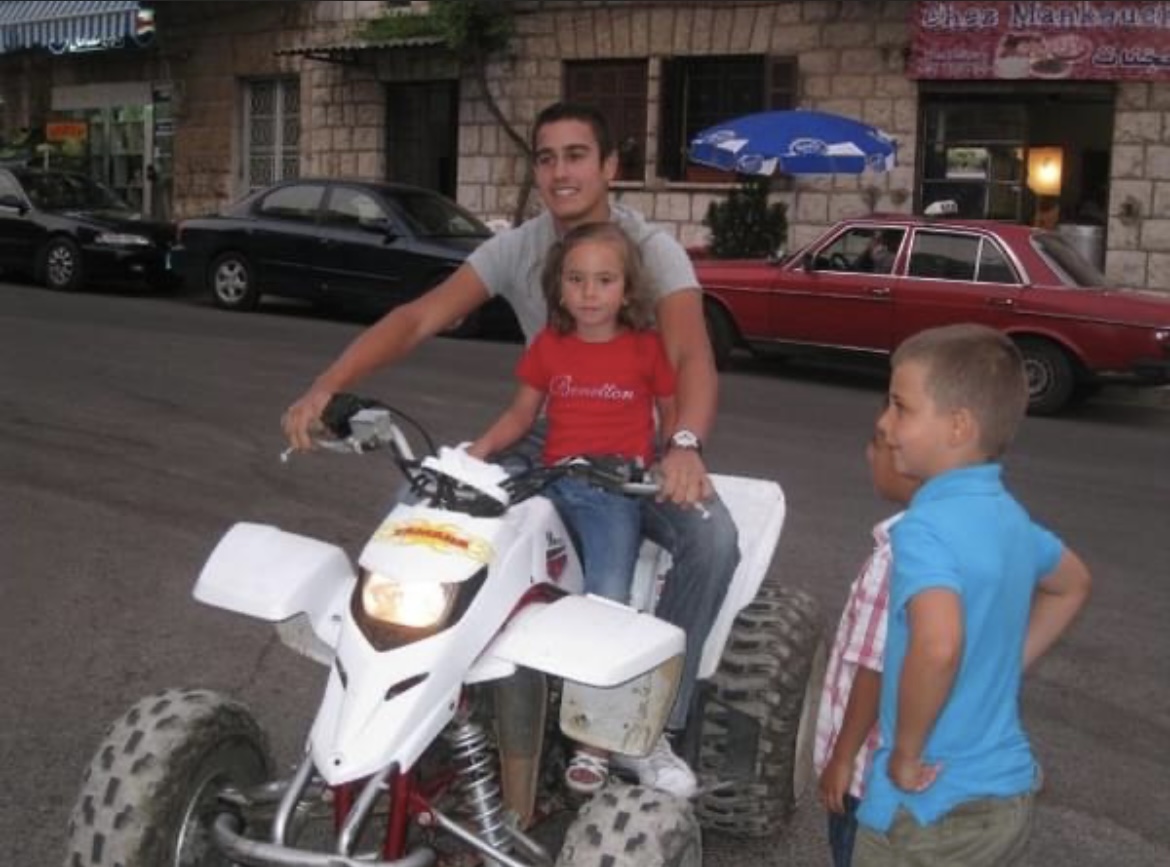
Growing up in Amsterdam, Arabic wasn't exactly the language I heard on the playground or spoke with my friends. In fact, for most of my childhood, the only person I spoke Lebanese Arabic with was my mom. And trust me, she made sure I spoke it.
For as long as I can remember, my mom was determined to teach my brother and me Arabic. Children's books, Lebanese music playing around the house, and constant reminders to "speak Arabic!" were all part of growing up. Our evenings often involved watching Lebanese Dancing with the Stars or musalsalat (Arabic TV series), and Fairuz was practically part of the family.
I remember how my mom would sometimes get emotional listening to Fairuz, although she'd probably never admit it. Those songs reminded her of Lebanon, her family, and the life she had left behind. Looking back, I realise that keeping Arabic alive in our home was her way of keeping us connected to where we came from.
Apparently, my very first flight was to Lebanon, so I guess my connection to the country started early! Growing up between two cultures, I've always felt incredibly close to my Lebanese roots, and I owe a lot of that to speaking the language.
It meant I could sing along to Lebanese songs, understand family jokes, and have actual conversations with my relatives rather than just smiling and nodding. Most importantly, it allowed me to build close friendships with my cousins in Lebanon, many of whom I still consider my best friends today. And because my brother and I grew up speaking Lebanese Arabic, we never really felt like foreigners when visiting Lebanon. Even though we were raised in Amsterdam, we could easily join conversations, make friends, and feel like we belonged. Lebanon never felt like just a country we visited on holiday, but a second home.
Meanwhile, I watched my mom turn her passion for teaching Arabic into a career. What started as private lessons around our kitchen table has grown into a successful language centre with multiple teachers and her own published teaching books. It's pretty amazing to see how far she's come, especially knowing that I witnessed it all from the beginning.
Now, at 23, I'm more grateful than ever that she insisted we learn Arabic, even when Dutch would have been the easier option.
Because learning Lebanese Arabic didn't just give me another language to speak. It gave me friendships, memories, a connection to my roots, and a second place to call home.
And for that, I have my mom (and her endless reminders to speak Arabic) to thank.
------------------------------------------------
A note from Nayla, Yara’s mom:
Raising kids abroad and wondering if Arabic will stick? It can, but it takes more than a mom at home saying “speak Arabic!” (I would know.) Our Lebanese Arabic classes for children are for kids aged 4 to 17, with tutors who specialize in teaching young learners. Start with a free 30-minute trial lesson and see how your child likes it.
Want to practise with a tutor?
Every iMaster tutor is interviewed, trained and certified by us. Start with a free 30-minute trial lesson.