Learning Arabic
5 Ways to Overcome the Challenges of Learning the Arabic Language
15 January 2026 · 3 min read · iMaster Team
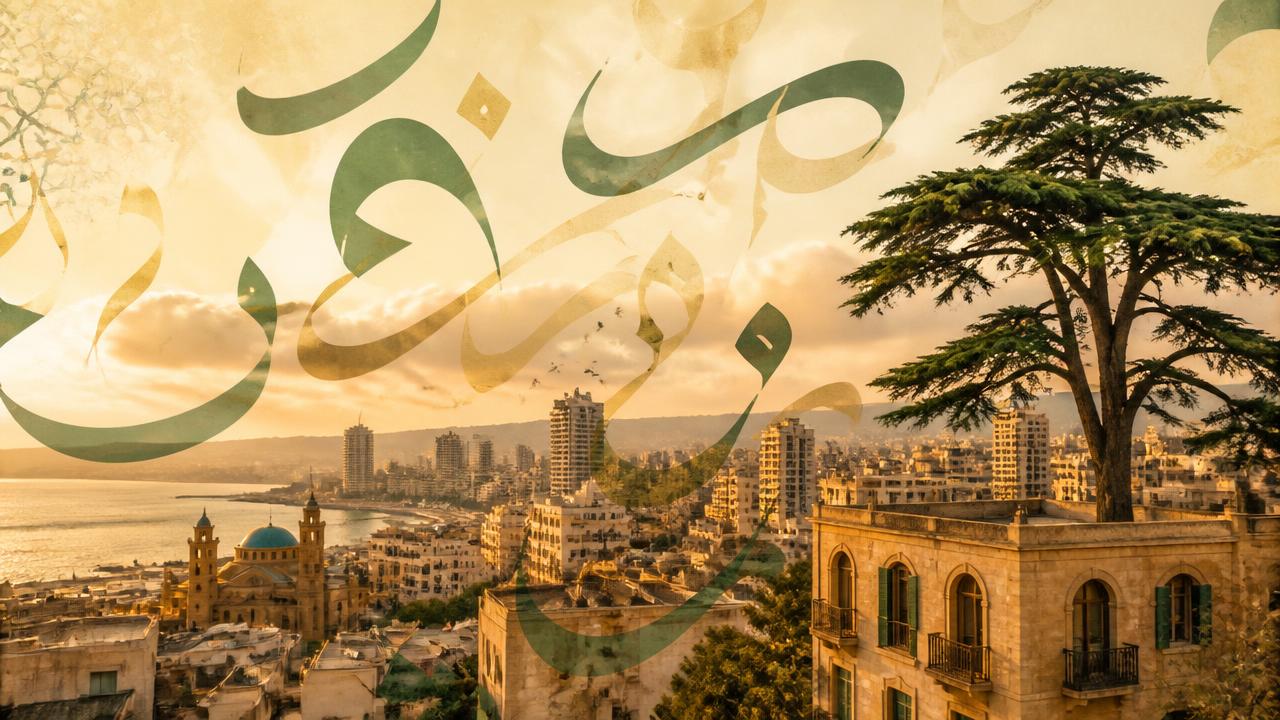
Arabic has three forms, dozens of dialects and a script of its own. Here is why that feels hard — and five practical ways through it.
Why Arabic feels difficult
1. The written language differs from the spoken language and from Classical (Qur'anic) Arabic. Arabic exists in three main forms: Modern Standard Arabic (MSA), the dialects, and Classical Arabic. MSA is used for formal communication and media, dialects vary greatly across regions, and Classical Arabic is mostly used in religious contexts. The language you need changes with your context and purpose.
2. There are many dialects and variants of spoken Arabic. From Lebanese Arabic to Gulf Arabic and Egyptian Arabic, the dialects are highly diverse. Even within one country regional variations exist — southern and northern accents can differ noticeably. That variety leaves learners unsure which version to focus on.
3. Arabic is a very rich language with countless synonyms. The word “house” can be Beit بيت, Manzel منزل, Dar دار, Maskan مسكن or Roubou’ ربوع. Often you learn one word only to hear locals using another. Beautiful, but overwhelming at the beginning.
4. The alphabet is entirely different. Arabic is written from right to left with its own 28 letters and script rules — unlike Spanish or French, which share an alphabet with English.
5. There is competition between dialects for dominance. In the Arabic-speaking world some argue that their dialect is closest to Modern Standard Arabic (Fusha فصحى), which can push learners toward one dialect without a clear reason.
5 tips to overcome these challenges
- Stick to one dialect while keeping an open mind. Choose a dialect for speaking (Lebanese or Egyptian, for example) and stay with it, but aim to understand the others. If someone speaks to you in their dialect, answer in yours — they will understand you.
- Know your learning style. Auditory learners absorb the language through songs, podcasts and radio; textual learners do better with reading and written notes. Adapt your method accordingly, and in both cases practise speaking out loud so you hear yourself.
- Learn Modern Standard Arabic passively. MSA is the official written language of the Arab world but it is not really spoken. Save effort by learning it from Arabic into your own language, not the other way around.
- Build vocabulary gradually. Don't stress about synonyms: learn the most common word first (Beit for house) and expand naturally. Write each new word at least five times while saying it out loud, learn it in both directions for your chosen dialect, and remember a word needs to be used about seven times before it sticks for good.
- Immerse yourself in the culture. Watch shows, listen to music, speak with native speakers. Surrounding yourself with Arabic in everyday situations reduces confusion and gets you used to its richness.
Arabic may look like a difficult language, but with dedication and the right strategy it becomes an exciting and rewarding journey. Stick to your goals and enjoy the beauty of Arabic culture along the way.
Want to practise with a tutor?
Every iMaster tutor is interviewed, trained and certified by us. Start with a free 30-minute trial lesson.