Language & Culture
10 Fascinating Facts About the Arabic Language
20 February 2026 · 4 min read · iMaster Team
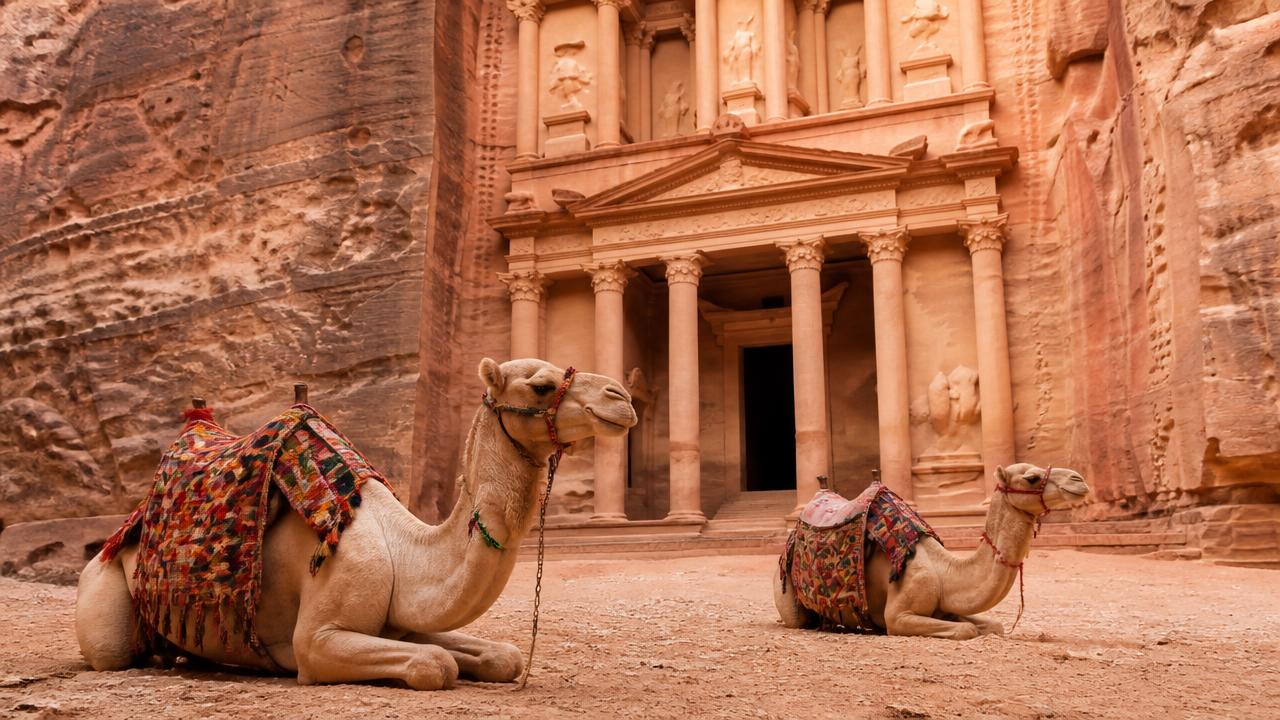
400 million speakers, 12 million words, 300 words for camel and one of six official UN languages. Ten facts about Arabic.
Arabic is one of the richest and most influential languages in the world, with a history spanning centuries. Whether you are a language enthusiast or simply curious, here are ten fascinating facts about it.
1. A language of over 400 million speakers
Arabic is spoken by more than 400 million people and is the official language of 22 countries across the Middle East and North Africa, known collectively as the Arab world.
2. It is one of the oldest languages
Arabic belongs to the Semitic family alongside ancient languages such as Hebrew and Aramaic. Classical Arabic, the form found in the Quran, has remained largely unchanged for over 1,400 years.
3. Arabic has a unique script
It is written from right to left in an elegant cursive script of 28 letters, and each letter can take up to four different forms depending on its position in the word.
4. It is a language of science and culture
During the Islamic Golden Age (8th to 13th centuries) Arabic was the lingua franca of science, mathematics, medicine and philosophy. Many Greek texts were translated into Arabic, which preserved them for later generations.
5. A rich vocabulary
Arabic holds over 12 million words. There are more than 300 words for “camel” alone, a reflection of its cultural importance.
6. Modern Standard Arabic and dialects
- Modern Standard Arabic (MSA): used in formal writing, news and education across the Arab world.
- Dialects: spoken forms that vary widely by region — Egyptian, Levantine, Gulf and more. Some are so distinct they feel like separate languages.
7. It influences other languages
Arabic has given thousands of words to other languages, particularly Spanish, Portuguese and English. Algebra, sugar, cotton, coffee and admiral all have Arabic origins.
8. A language of poetry and prose
Arabic is celebrated for its poetic beauty and rhythm. Classical poetry and prose have influenced literature worldwide, and the Quran itself is regarded as a masterpiece of linguistic and rhetorical excellence.
9. One of the six official UN languages
Arabic is one of the six official languages of the United Nations, and Arabic Language Day is celebrated every year on 18 December.
10. Learning Arabic unlocks new perspectives
Studying Arabic opens the door to the traditions, history and values of the Arab world, builds cross-cultural connections and offers insight into the mindset of one of the most dynamic regions on earth. It is far more than a means of communication — it is a bridge to centuries of history, culture and innovation.
Want to practise with a tutor?
Every iMaster tutor is interviewed, trained and certified by us. Start with a free 30-minute trial lesson.